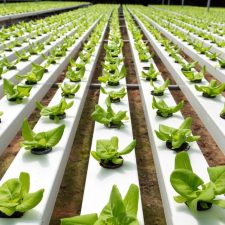
Starting a hydroponic farm can be a rewarding venture, offering the potential for sustainable, year-round crop production. However, like any business, it requires a careful financial plan. In this guide, we’ll break down the essential start-up costs associated with hydroponic farming to help you create a realistic budget for your venture. For more information regarding hydroponic plant one can visit our site https://hydroponicglobal.com.au/.
1. Location and Infrastructure:
– Greenhouse or Indoor Space: Costs vary greatly based on size, type, and location. Expect to spend anywhere from a few thousand dollars for a small home-based setup to hundreds of thousands for a commercial-scale greenhouse.
– Utilities: Estimate costs for electricity, water, and gas. Consider energy-efficient options and renewable energy sources.
– Climate Control: Heating, cooling, and ventilation systems are critical for maintaining optimal growing conditions and can be a significant expense.
2. Hydroponic Systems:
– Hydroponic Setup: The type of hydroponic system you choose (e.g., deep water culture, nutrient film technique, or vertical farming) will influence costs. Small-scale setups can start at a few hundred dollars, while larger, commercial systems can run into tens of thousands or more.
– Growing Media: The cost of growing media like coco coir, rockwool, or perlite depends on your system and setup.
– Nutrient Solution: Purchase high-quality nutrient solutions, which can vary in price depending on the brand and nutrient type.
3. Lighting:
– Grow Lights: High-quality LED grow lights can be expensive but are energy-efficient and essential for indoor or low-light environments.
– Lighting Controls: Timers, dimmers, and other control systems may be needed to optimize light exposure.
4. Water and Nutrient Management:
– Water Supply: Set up a reliable water supply and filtration system. Costs vary based on your location and water quality.
– Nutrient Delivery System: Invest in equipment like pumps, pipes, and nutrient tanks to manage nutrient delivery.
5. Seeds or Seedlings:
– Purchase quality seeds or seedlings of the crops you plan to grow. Costs vary widely depending on crop type and quantity.
6. Labor and Training:
– Budget for hiring and training labor, including salaries, wages, and employee benefits if applicable.
7. Pest and Disease Management:
– Allocate funds for pest control measures, such as beneficial insects or pesticides. Integrated pest management (IPM) systems can be an ongoing cost.
8. Miscellaneous Costs:
– Reserve funds for unforeseen expenses, permits, licenses, insurance, and other miscellaneous items.
9. Marketing and Sales:
– Budget for marketing materials, website development, and distribution channels to get your produce to market.
10. Contingency Fund:
– It’s wise to have a contingency fund to cover unexpected costs or losses during the early stages of your hydroponic venture.
11. Regulatory Compliance:
– Investigate local regulations and standards related to hydroponic farming and allocate funds for compliance.
12. Long-Term Costs:
– Remember that hydroponic farming often involves ongoing operational costs, including utilities, labor, maintenance, and crop inputs.
Tips for Managing Start-up Costs:
1. Start Small: Consider beginning with a small-scale hydroponic system to gain experience before expanding.
2. Research and Plan: Thoroughly research suppliers, equipment, and growing methods to make informed decisions and reduce costs.
3. Consider Financing: Explore financing options such as loans, grants, or partnerships to secure the necessary capital.
4. Operate Efficiently: Implement resource-efficient practices to minimize operational costs.
5. Track Expenses: Maintain meticulous financial records to track your expenses and adjust your budget as needed.
6. Continuous Learning: Stay up-to-date with industry trends and best practices to optimize your farming operation.
Remember that the actual costs of starting a hydroponic farm can vary widely depending on your location, the scale of your operation, and the crops you intend to grow. Careful planning and budgeting are essential to ensure the financial success of your hydroponic venture.