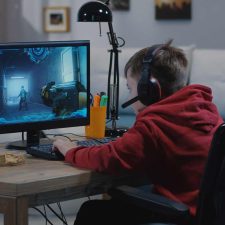
Online gaming has come a long way since its humble beginnings, evolving into a massive and interconnected ecosystem. At the heart of this transformation lies the concept of online gaming communities. These communities have played a significant role in shaping the gaming experience, fostering camaraderie, and contributing to the growth of the industry. Delving into the evolution of online gaming communities, we observe their journey through the past, present, and into the future. Platforms like 맛동산토토 play a significant role in shaping the dynamics and connectivity within these communities, propelling them toward exciting advancements. This article traces the journey of online gaming communities from the past, examines their current state, and explores the potential future they hold.
1. The Early Days: Dawn of Online Gaming Communities
The concept of online gaming communities traces back to the early days of the internet. In the late 1970s and early 1980s, early online multiplayer games like MUDs (Multi-User Dungeons) and BBS (Bulletin Board Systems) laid the foundation for player interactions. These were the nascent forms of communities where players could share experiences and collaborate in rudimentary ways.
2. Emergence of MMORPGs: Birth of Modern Gaming Communities
The advent of Massively Multiplayer Online Role-Playing Games (MMORPGs) like Ultima Online and EverQuest in the late 1990s and early 2000s revolutionized online gaming communities. These games created vast virtual worlds where players could interact, form guilds, trade items, and complete quests together. This period marked a significant leap in the evolution of gaming communities.
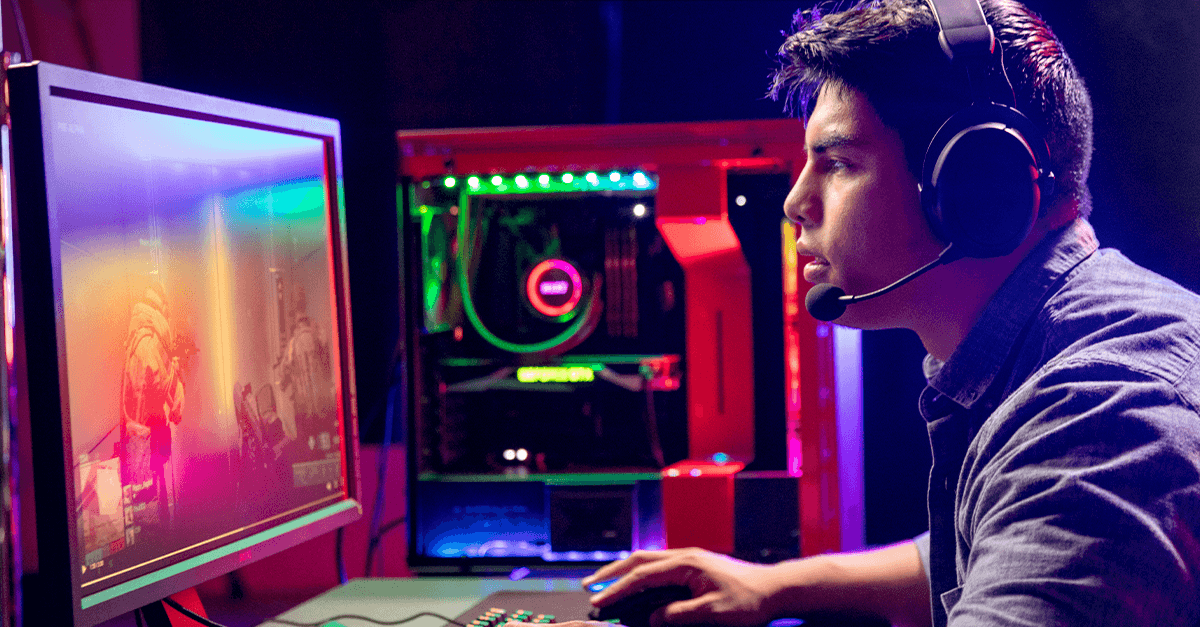
3. Rise of Social Media and Forums: Connectivity Amplified
With the rise of social media platforms and gaming-specific forums, the connectivity and engagement within gaming communities reached new heights. Players could now easily share experiences, tips, fan art, and participate in discussions with a global audience. Gaming-centric forums and platforms like Reddit, Steam Community, and Discord became central hubs for these interactions.
4. Esports and Competitive Communities
The rise of esports brought a new dimension to gaming communities. Competitive gaming garnered a massive following, with dedicated communities for specific games and professional teams. Esports tournaments became a source of immense excitement, fostering a sense of community and healthy competition among players and fans alike.
5. Streaming and Content Creation
The advent of platforms like Twitch and YouTube Gaming enabled players to stream their gameplay, creating a new wave of gaming communities centered around content creators. Viewers could now engage with their favorite streamers, participate in live chats, and even influence gameplay decisions. This dynamic interaction deepened the sense of community.
6. Diversity and Inclusivity
Today, gaming communities are more diverse and inclusive than ever before, breaking away from the stereotype of the typical gamer. Communities now celebrate diversity in gender, ethnicity, and backgrounds, promoting a welcoming and supportive atmosphere for everyone.
7. Future Horizons: The Metaverse and Beyond
The future of online gaming communities holds exciting possibilities, especially with the emergence of the metaverse—a virtual universe where players can seamlessly transition between various virtual experiences. The metaverse may integrate online gaming communities into a unified space, fostering unparalleled interaction and collaboration among players on an unprecedented scale.
Conclusion
The evolution of online gaming communities has been a remarkable journey, mirroring the growth and transformation of the gaming industry itself. From humble beginnings to thriving virtual ecosystems, these communities have played a pivotal role in enhancing the gaming experience and fostering a sense of belonging among gamers. As we look to the future, the potential for even more immersive, interconnected, and inclusive gaming communities is promising, paving the way for a vibrant and exciting gaming landscape.