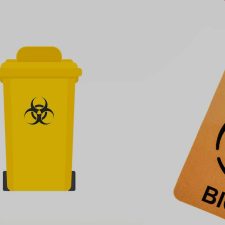
Medical waste management is a crucial aspect of healthcare that often goes unnoticed or overlooked. With the constant increase in medical activities, the generation of medical waste has also amplified, posing serious risks to public health and the environment. It becomes imperative, then, to develop effective strategies and systems to handle and dispose of medical waste safely and responsibly.
In order to understand the urgency of proper medical waste management, it is important to highlight the potential hazards associated with improper disposal. Medical waste can contain pathogens, hazardous chemicals, and radioactive materials that can spread diseases or cause severe environmental pollution if not handled correctly. Furthermore, it can lead to contamination of land, water, and air, thereby endangering human and animal wellbeing. To mitigate these risks, healthcare institutions must adhere to strict regulations and guidelines, employ appropriate waste segregation techniques, utilize proper storage and transportation methods, and adopt efficient treatment and disposal procedures for different types of medical waste.
Strategies for Effective Medical Waste Management
Developing effective strategies and systems for medical waste management is crucial to ensure the safe and responsible handling and disposal of medical waste. The first step in this process is the implementation of strict regulations and guidelines that outline the proper procedures for waste management. Healthcare institutions must abide by these regulations to ensure compliance and protect public health.
One of the key aspects of medical waste management is waste segregation. It is essential to segregate different types of waste, such as infectious waste, sharps, pharmaceutical waste, and chemical waste, to prevent cross-contamination and facilitate appropriate treatment and disposal. Proper storage and transportation methods are also critical to prevent leakage or spillage during transit.
For efficient treatment and disposal of medical waste, healthcare facilities can partner with specialized companies that offer medical waste disposal services. These companies have the expertise and resources to handle different types of medical waste safely and responsibly. Medical waste disposal Fort Lauderdale, for example, provides comprehensive waste management solutions in the Fort Lauderdale area, ensuring compliance with regulations and utilizing environmentally friendly practices.
The Role of Technology in Medical Waste Management
Technology plays a significant role in improving the efficiency and effectiveness of medical waste management. One such technology is the use of mobile applications or software systems that streamline the waste management process. These applications can be used by healthcare providers to track and monitor waste generation, collection, transportation, treatment, and disposal.
The integration of radio-frequency identification (RFID) tags into medical waste containers enables real-time tracking and identification of waste. This helps improve accountability and transparency throughout the waste management cycle. Additionally, it allows healthcare facilities to monitor their waste generation patterns, identify areas for waste reduction, and optimize their waste management strategies.
Furthermore, advancements in treatment technologies have made it possible to convert certain types of medical waste into usable energy through processes like incineration or autoclaving. This not only reduces the volume of waste but also contributes to sustainable energy production.
In conclusion, effective medical waste management is crucial for public health and environmental sustainability. It requires the implementation of proper strategies, adherence to regulations, and the utilization of technological advancements. Partnering with specialized waste management companies like Medical waste disposal Fort Lauderdale can help healthcare facilities ensure safe and responsible management of medical waste.
Overall, medical waste management is essential for the protection of public health and the environment. Proper handling and disposal of medical waste are crucial to prevent the spread of diseases and contamination of land, water, and air. Effective strategies for medical waste management include strict regulations, waste segregation, proper storage and transportation methods, and partnerships with specialized waste management companies. Technology also plays a significant role in improving the efficiency and accountability of medical waste management, with mobile applications and RFID tracking systems providing real-time monitoring and identification. Advancements in treatment technologies further contribute to sustainable energy production by converting medical waste into usable energy. By prioritizing safe and responsible medical waste management, healthcare facilities can ensure the well-being of both individuals and the surrounding environment.