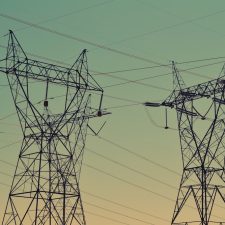
Selling electricity is an essential part of the energy industry and plays a significant role in powering our modern world. With the increasing demand for electricity and the ever-growing need for sustainable sources of energy, the sale and distribution of electricity have become critical to meeting the energy needs of households, businesses, and industries. The process of selling electricity involves generating and transmitting power from various sources, such as coal, natural gas, nuclear, hydroelectric, and renewable energy, to the end users through a complex grid infrastructure. Captivated by the excerpt? Explore the full article here and delve into the fascinating details of the topic.
Electricity sales are usually facilitated by utility companies, which act as intermediaries between power generators and consumers. These companies are responsible for ensuring a reliable and uninterrupted supply of electricity, maintaining the grid infrastructure, and managing billing and customer service. The sale of electricity is typically carried out through contracts or agreements with consumers, who pay for the amount of electricity they consume based on predetermined pricing structures. As the world’s energy needs continue to grow, selling electricity efficiently and sustainably will play a crucial role in meeting the demands of a rapidly evolving society.
Overview
In recent years, there has been a growing interest in selling electricity back to the grid in Maine. This is a concept known as net metering, where homeowners or businesses can generate excess electricity through renewable energy sources, such as solar panels, and sell it back to the power grid. It allows individuals to offset their electricity usage and potentially earn credits or monetary compensation for the excess energy they produce.
Benefits and Challenges
There are several benefits to selling electricity back to the grid in Maine. Firstly, it promotes the use of renewable energy sources and contributes to a more sustainable and environmentally-friendly energy grid. Additionally, it allows individuals to potentially save money on their electricity bills and even earn a profit from the excess energy they generate. However, there are also challenges associated with net metering, such as the need for initial investments in renewable energy systems and the complexities of connecting to the power grid. Despite these challenges, selling electricity back to the grid in Maine offers an exciting opportunity for individuals and businesses to contribute to a more sustainable energy future.
Conclusion
Selling electricity is a vital aspect of the energy industry and is necessary to meet the increasing demand for power in our modern world. Utility companies play a crucial role in facilitating the sale and distribution of electricity, ensuring a reliable supply and managing customer service. As society’s energy needs continue to grow, selling electricity efficiently and sustainably will be essential. One concept that has gained interest in recent years is net metering, allowing individuals and businesses to sell excess electricity generated through renewable energy sources back to the grid. This not only promotes sustainability but also provides the opportunity for savings and even profits. While there are some challenges associated with net metering, such as initial investments and grid connection complexities, it presents an exciting opportunity to contribute to a more sustainable energy future.