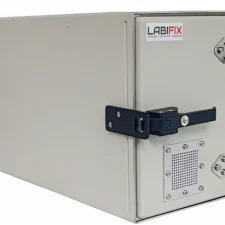
RF enclosures are essential components in the design and construction of electronic devices and systems. These enclosures are designed to provide protection against electromagnetic interference, ensuring that sensitive electronics can operate without being disrupted by external RF signals. Whether it’s for medical devices, telecommunications equipment, or industrial machinery, RF enclosures play a crucial role in maintaining the performance and reliability of modern technology.
With advancements in wireless technologies and the increasing use of electronic devices in various industries, the demand for RF enclosures has been on the rise. Engineers and designers need to consider factors such as material selection, shielding effectiveness, and ventilation when designing RF enclosures to meet specific requirements. This article will explore the importance of RF enclosures in today’s electronic devices and discuss key considerations for selecting and designing these protective enclosures.
The Importance of RF Enclosures
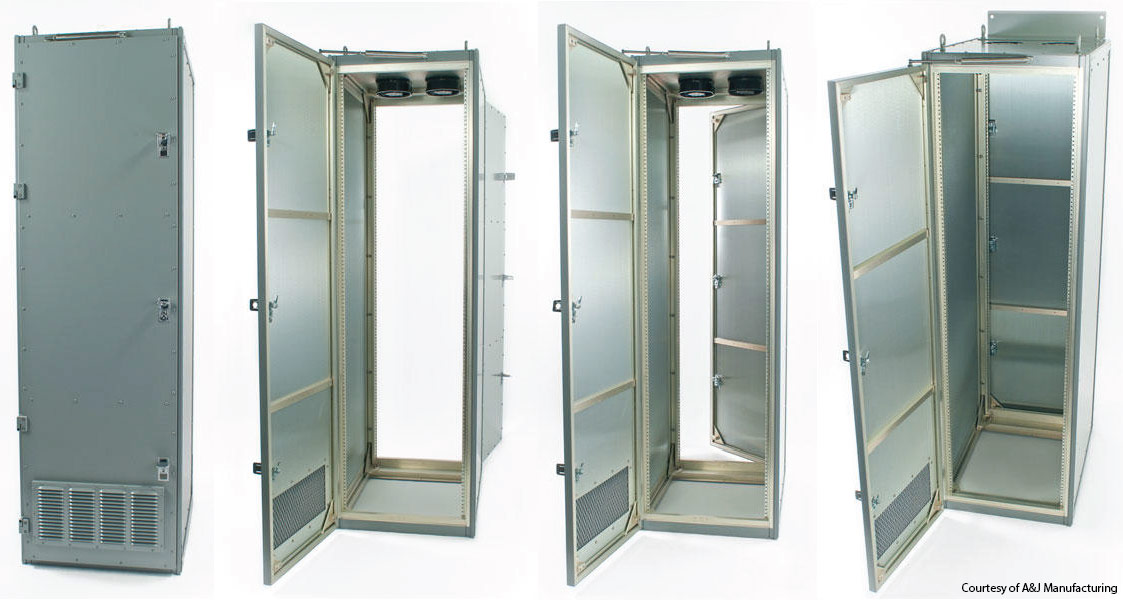
RF enclosures are crucial in protecting electronic devices from electromagnetic interference, ensuring their optimal performance and reliability. Whether it’s in the medical, telecommunications, or industrial sectors, these enclosures provide a shield against external RF signals that could disrupt sensitive electronics. Without proper protection, devices may experience malfunctions or failures, highlighting the significance of integrating RF enclosures into the design and construction of electronic systems.
Key Considerations for Designing RF Enclosures
When designing RF enclosures, engineers must carefully consider factors such as material selection, shielding effectiveness, and ventilation to meet specific requirements for different applications. The choice of materials can impact the overall performance of the enclosure, with options ranging from conductive metals to specialized coatings. Shielding effectiveness is critical in minimizing electromagnetic interference, while proper ventilation helps dissipate heat generated by electronic components. By addressing these considerations, designers can create effective RF enclosures that protect devices and ensure their reliable operation.
durability and performance of electronic devices rely heavily on the quality and design of RF enclosures. As technology continues to advance, the need for reliable protection against electromagnetic interference becomes more critical. Engineers and designers must stay informed about the latest developments in RF enclosure materials and technologies to meet the demands of today’s electronic devices. By considering key factors such as material selection, shielding effectiveness, and ventilation, designers can create RF enclosures that not only provide a barrier against external RF signals but also ensure the longevity and efficiency of electronic systems. In an ever-evolving technological landscape, the role of RF enclosures remains essential in safeguarding sensitive electronics and promoting reliable performance in various industries.